By Inteledoc Expert Team | 10 min read | Medically reviewed by Dr. Nitin Jain, MBBS, MD EDIC — Inteledoc Medical Advisory Team
Medical Weight Loss in India: Why Doctor-Led Weight Management Matters
Losing weight is not always as simple as following a diet or increasing physical activity.
Many people try different weight-loss plans, reduce their food intake and exercise regularly, but still struggle to achieve sustainable results.
For some, weight gain may be associated with insulin resistance, PCOS, hormonal changes, thyroid conditions, sleep problems, medications or other metabolic factors.
This is why medical weight loss in India is becoming an important option for people looking for a more structured and medically informed approach to weight management.
Instead of relying only on generic diets or unverified weight-loss products, medical weight management considers your health history, lifestyle, nutritional needs and individual treatment requirements.
At Inteledoc, our approach focuses on personalized, doctor-led weight management, with medical treatment considered when clinically appropriate.
Because successful weight management should focus on your overall health, not just the number on the weighing scale.
What Is Medical Weight Loss?
Medical weight loss is a structured approach to managing excess body weight with guidance from qualified healthcare professionals.
It considers the medical, nutritional, metabolic and lifestyle factors that may influence your weight.
Depending on your individual health profile, a medical weight-loss plan may include:
- Medical Assessment
- Weight and health history review
- Personalised nutrition guidance
- Physical activity recommendations
- Metabolic health assessment when indicated
- Behavioural and lifestyle support
- Prescription medication when clinically appropriate
- Regular progress monitoring
Unlike generic weight-loss plans, medical weight management aims to identify individual challenges and develop a suitable long-term strategy.
The treatment approach depends on your health status, clinical requirements and personal goals.
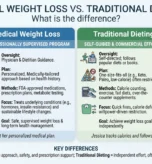
Why Is Doctor-Led Weight Loss Different?
A major challenge with many weight-loss plans is that they focus mainly on food intake and exercise without considering the complete health picture.
Doctor-led weight loss takes a broader approach.
A qualified doctor can evaluate relevant health conditions, assess potential risks and help determine whether lifestyle changes alone or additional medical treatment may be appropriate.
Your medical history can provide important information about factors affecting your weight.
This may include:
- Previous weight changes
- Existing health conditions
- Current medications
- Family history
- Previous weight-loss attempts
- Lifestyle habits
- Relevant medical reports
Some people experience weight-management difficulties alongside conditions such as:
- Insulin resistance
- Type 2 Diabetes
- Prediabetes
- PCOS
- Hypothyroidism
- Fatty Liver Disease
- Obstructive sleep apnoea
Not every person with excess weight has an underlying medical condition. However, assessing relevant risk factors can help guide appropriate care.
Your nutrition strategy should consider your food preferences, lifestyle, nutritional needs and health goals.
A personalized plan may focus on:
- Adequate protein
- Fibre-rich foods
- Vegetables and fruits
- Balanced carbohydrates
- Healthy fats
- Appropriate portions
- Sustainable eating habits
For Indian households, familiar foods such as dal, roti, rice, sabzi, curd, paneer, eggs and legumes can be included according to individual needs.
Some individuals may benefit from prescription weight-management medication as part of a comprehensive treatment plan.
A doctor can assess eligibility, potential benefits, risks and monitoring requirements before recommending treatment.
Weight management does not end when you reach a target number.
Ongoing monitoring can help assess changes in body weight, waist circumference, lifestyle habits and relevant health markers.
What Are Weight Loss Injections in India?
Weight loss injections in India have received increasing attention as medical treatment options for eligible people living with obesity or certain weight-related health conditions.
Some prescription injectable medicines work through hormonal pathways involved in appetite, digestion and blood glucose regulation.
Depending on the medicine, they may help reduce appetite, increase feelings of fullness and support weight reduction when combined with appropriate lifestyle changes.
However, weight loss injections are not suitable for everyone and should only be used under medical supervision.
The right medication depends on your medical history, eligibility, treatment goals and potential risks.
Types of Weight Loss Injections Used in Medical Treatment
Several prescription medicines are used in the medical management of obesity.
Examples include:
1. Semaglutide
Semaglutide is a GLP-1 receptor agonist used in specific approved formulations and indications.
It acts on pathways involved in appetite regulation and blood glucose control.
Depending on the formulation and approved indication, it may be prescribed for eligible patients as part of a broader medical treatment plan.
2. Tirzepatide
Tirzepatide acts on GIP and GLP-1 receptors.
It is used for specific approved medical indications and may support weight reduction in eligible patients under medical supervision.
3. Other Prescription Options
Other prescription medicines may be considered depending on the individual’s clinical profile, medical history and treatment eligibility.
Your doctor should explain the available options, their indications, possible side effects and monitoring requirements.
Important: Not every injectable medicine is approved for weight management, and not every patient is eligible for these treatments.
How Do Weight Loss Injections Work?
The way weight-loss injections work depends on the medicine.
GLP-1 receptor agonists and related incretin-based medicines can influence appetite regulation and food intake.
Their effects may include:
- Helping regulate appetite
- Increasing feelings of fullness
- Reducing hunger in some individuals
- Slowing stomach emptying with certain medicines
- Supporting blood glucose regulation
These effects may help eligible individuals reduce overall food intake as part of a comprehensive weight-management program.
However, medication alone does not replace healthy nutrition, appropriate physical activity or medical follow-up.
Who May Be Eligible for Weight Loss Injections?
Prescription anti-obesity medication may be considered for certain adults with obesity or overweight accompanied by relevant weight-related medical conditions.
Eligibility depends on the specific medicine, approved indication, clinical guidelines and individual medical assessment.
A doctor may consider:
- BMI
- Weight-related health conditions
- Medical history
- Previous weight-management efforts
- Current medications
- Potential contradictions
- Treatment risk and benefits
Weight loss injections should never be selected simply because someone wants to lose a few kilograms.
A qualified doctor must determine whether treatment is medically appropriate.
What Are the Possible Side Effects of Weight Loss Injections?
Like other prescription medicines, weight-loss injections can cause side effects.
Depending on the medication, these may include:
- Nausea
- Vomiting
- Diarrhoea
- Constipation
- Abdominal discomfort
- Reduced appetite
- Other medication-specific adverse effects
Some medicines also have important warnings and precautions.
Your doctor should explain the possible side effects, contraindications and symptoms that require medical attention before starting treatment.
Never change your dosage or stop treatment without discussing it with your healthcare professional.
How Much Do Weight Loss Injections Cost in India?
The cost of weight loss injections in India can vary depending on:
- The medicine and brand
- Formulation and strength
- Dosage prescribed
- Treatment duration
- Availability
- Pharmacy and location
- Medical consultation and monitoring costs
There is no single price that applies to every patient.
Before starting treatment, understand the full expected cost rather than considering only the price of the injection.
Avoid purchasing prescription medicines from unverified sellers or using products without checking their authenticity and storage requirements.
What Is the Difference Between a Weight Loss Clinic and an Online Weight Loss Doctor?
People searching for a weight loss clinic often want professional guidance, treatment options and regular support.
However, medical weight management does not always require every consultation to take place at a physical clinic.
Online consultations can provide a convenient way to discuss weight-management concerns, review available medical information and plan appropriate follow-up.
| Physical Weight Loss Clinic | Online Weight Loss Doctor |
|---|---|
| In-person consultation | Remote consultation |
| Physical examination when needed | Assessment based on available clinical information |
| May provide access to on-site services | Convenient access from home |
| Suitable for examinations and procedures | Suitable for appropriate teleconsultations |
| Travel may be required | No travel for the consultation itself |
Both approaches have their place.
Some medical concerns require physical examination, investigations or in-person care. Online consultations are appropriate only when the doctor can safely assess and manage the concern remotely.
The most important factor is the quality and suitability of medical care.
Can You Consult a Weight Loss Doctor Online in India?
Yes. Online medical consultations allow individuals to discuss their weight-management concerns with qualified healthcare professionals remotely, subject to applicable telemedicine regulations.
If you are looking for a weight loss doctor online in India, a consultation may help you understand:
- Why you may be gaining weight
- Whether metabolic factors need evaluation
- Which lifestyle changes may be suitable
- Whether prescription treatment should be considered
- What type of follow-up may be needed
During a consultation, your doctor may review your weight history, medical conditions, medications and available reports.
If a physical examination or additional evaluation is required, you may be advised to visit a healthcare facility.
Medical Weight Loss for PCOS, Insulin Resistance and Other Conditions
Weight management may require additional consideration when a person has an existing medical or metabolic condition.
Weight Management and PCOS
PCOS is a hormonal condition that can be associated with insulin resistance and weight-management challenges.
A personalized approach may consider:
- Medical history
- Menstrual health
- Nutrition
- Physical activity
- Metabolic health
- Appropriate medical treatment
Learn more about GLP-1 Weight Loss for PCOS in India.
Weight Management and Insulin Resistance
Insulin resistance affects the body’s response to insulin and may be associated with metabolic health concerns.
A medical weight-management plan may consider relevant blood glucose markers, nutrition and physical activity.
Explore our Insulin Resistance Weight Loss Program in India.
Weight Management and Fatty Liver
Metabolic dysfunction-associated steatotic liver disease (MASLD), previously commonly called non-alcoholic fatty liver disease, can be associated with excess body weight and metabolic risk factors.
Weight management may form part of an overall treatment strategy alongside appropriate medical monitoring.
Read more about our Fatty Liver Weight Management Program in India.
Weight Management After 40
Ageing can influence muscle mass, physical activity, energy requirements and body composition.
A suitable approach after 40 should consider muscle preservation, nutrition and metabolic health.
Explore Weight Loss After 40 in India.
What Should a Complete Medical Weight Loss Program Include?
A comprehensive medical weight-management program should consider more than medication or a diet chart.
Depending on the individual’s needs, it may include the following.
Review of your medical history, current weight and relevant health factors.
A nutrition strategy based on your dietary needs, food preferences and lifestyle.
Appropriate movement and resistance training to support fitness and muscle health.
Prescription treatment may be considered when clinically indicated and suitable.
Regular assessment of weight, waist circumference, lifestyle changes and relevant health markers.
A strategy to help maintain progress and address weight regain when necessary.
Why Choose a Doctor-Led Approach Instead of Quick Weight Loss Solutions?
The internet is full of products and plans promising rapid weight loss.
However, quick results do not necessarily mean safe or sustainable results.
A doctor-led approach helps prioritize:
- Medical suitability
- Individual health requirements
- Nutritional adequacy
- Muscle preservation
- Appropriate medication use
- Monitoring and follow-up
- Long-term weight management
Avoid unverified injections, extreme diets and medicines advertised without appropriate medical assessment.
Your health should always come before rapid changes on the weighing scale.
Start Your Medical Weight Loss Journey With Inteledoc
If you are looking for medical weight loss in India, professional guidance can help you understand the factors influencing your weight and explore suitable treatment options.
Whether you are considering an online consultation, a doctor-led weight-loss program or asking about prescription weight-loss injections, the first step should be a proper medical assessment.
At Inteledoc, our approach focuses on personalized weight management with medical guidance, nutrition and lifestyle support.
Your weight-management journey should be built around your health, not a generic treatment plan.
Book Your Consultation Today
Take the first step towards a more informed approach to weight management.
Book an Online Consultation with Inteledoc
Inteledoc — Safe, Scientific and Personalized Weight Management.
Frequently Asked Questions
Medical weight loss is a structured approach to managing excess body weight with professional healthcare guidance. It may involve medical assessment, nutrition, physical activity, lifestyle support and prescription treatment when appropriate.
Yes. You can consult an appropriately qualified medical practitioner online, subject to telemedicine regulations and whether your medical concern can be safely assessed remotely.
Doctor-led weight loss is an approach in which a qualified doctor assesses relevant health factors and helps guide an individualized weight-management plan.
Certain prescription injectable medicines are available in India for specific approved medical indications. Availability and eligibility depend on the medicine, its approved use and the individual’s clinical assessment.
There is no single best injection for everyone. The appropriate medicine depends on your medical history, treatment eligibility, health conditions, potential risks and doctor’s assessment.
Prescription weight-loss injections can cause side effects and have specific precautions. Their suitability should be evaluated by a qualified healthcare professional, with appropriate monitoring.
Prescription medicines should only be obtained and used according to applicable medical and pharmacy regulations. Avoid unverified sellers and self-medication.
Costs vary depending on the consultation, treatment plan, medication, investigations and duration of care. Your healthcare provider can explain the expected costs based on your individual requirements.
Online consultations can be useful for appropriate medical assessments and follow-up. However, some patients require physical examination, investigations or in-person care. The doctor should determine which approach is suitable.
Weight management can form part of the broader management of insulin resistance. The treatment approach should consider nutrition, physical activity, metabolic health and other medical needs.
No. Prescription medicines, when appropriate, are generally used alongside nutrition and lifestyle interventions rather than as a replacement for them.
Long-term maintenance may involve sustainable nutrition, regular physical activity, muscle preservation, progress monitoring and medical follow-up when needed.
Related Inteledoc Resources
Doctor-Led Weight Management
Doctor-Led Weight Loss Program
Weight Loss Consultation
Weight Management for Women
Weight Loss for Women in India
Weight Management After 40
Insulin Resistance
Insulin Resistance Weight Loss Program in India
Fatty Liver
Fatty Liver Weight Management Program
Muscle Preservation
Weight Loss Maintenance
Weight Loss Maintenance: How to Keep Weight Off After Losing It
Weight Loss Plateau
Weight Loss Plateau: Why Your Weight Loss Stops and What to Do Next
Start Your Personalized Weight Management Journey
Speak with a qualified doctor and explore a medical weight loss plan designed around your health and goals.