Medical Weight Loss vs Traditional Dieting: What Is the Difference?
Why the distinction matters
Traditional dieting can be useful when it involves balanced nutrition, realistic goals and sustainable lifestyle changes. However, a generic diet plan may not address every individual’s health requirements.
Obesity is a complex, chronic health condition influenced by several factors, including:
- Genetics and biological factors
- Hormonal and metabolic changes
- Insulin resistance
- Sleep quality and stress
- Physical activity levels
- Medications and existing medical conditions
- Food environment and daily lifestyle
- Previous weight loss attempts
These factors can influence appetite, metabolism, weight regulation and the ability to maintain weight loss.
Medical weight management recognizes that excess body fat can affect health and that treatment should be based on individual needs rather than willpower alone.
What Is Traditional Dieting?
Traditional dieting generally involves following a structured eating plan to reduce calorie intake and support weight loss.
Depending on the approach, it may include:
- Reducing portion sizes
- Limiting high-calorie foods
- Increasing vegetable and fruit intake
- Following a calories-controlled meal plan
- Increasing physical activity
- Making changes to daily eating habits
A balanced and sustainable diet can be an important part of maintaining a healthy weight.
However, a self-directed or generic diet may not consider medical history, weight-related complications, medication use, nutritional deficiencies or previous treatment experiences.
For individuals with obesity or associated health concerns, additional medical assessment may be useful.
What Is Medical Weight Loss?
Medical weight loss is a personalized approach to weight management guided by qualified healthcare professionals.
Rather than focusing only on calorie restriction, it considers the relationship between body weight, metabolic health, medical history and lifestyle.
A medical weight loss program may include:
Medical Assessment: Reviewing health history, weight patterns, existing conditions and relevant risk factors.
Personalized Nutrition: Developing a suitable eating plan based on nutritional needs, food preferences and lifestyle.
Physical Activity Guidance: Recommending appropriate movement and exercise according to individual health and fitness levels.
Behavioural and Lifestyle Support: Addressing eating patterns, sleep, stress and other habits that influence weight management.
Medical Treatment When Appropriate: Discussing prescription weight management medications or other treatment options for eligible individuals.
Regular Follow-Up: Reviewing progress and adjusting the treatment plan according to health needs and response.
The goal is to develop a safe, realistic and sustainable approach rather than promise rapid weight loss.
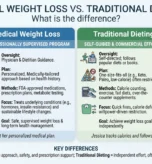
Medical Weight Loss vs Traditional Dieting: Key Differences
Although both approaches can involve nutrition and physical activity, their scope and level of medical involvement can differ.
| Traditional Dieting | Medical Weight Loss |
|---|---|
| Often focuses on calorie intake and food choices | Considers overall health and weight-related risks |
| May use a general diet chart | Uses an individualized treatment approach |
| May be self-directed | Guided by qualified healthcare professionals |
| May not include medical investigations | Includes relevant investigations when clinically indicated |
| Focuses mainly on weight change | May monitor weight and broader health indicators |
| Follow-up depends on the individual plan | Includes clinical review and treatment adjustments |
| Usually emphasizes nutrition and exercise | May combine nutrition, activity, behavioural support and medical treatment |
A traditional diet plan is not necessarily ineffective. In fact, balanced nutrition is central to medical weight management as well. The main difference is the addition of medical assessment, risk evaluation and ongoing clinical guidance when required.
What Happens During a Medical Weight Loss Assessment?
The first step in a doctor-led weight loss program is understanding the individual’s health profile.
A qualified clinician may review several factors.
This may include current weight, previous weight changes, waist circumference and past attempts at weight management.
The clinician may ask about conditions such as:
- Type 2 diabetes
- High Blood Pressure
- Insulin Resistance
- Polycystic Ovary Syndrome (PCOS)
- Fatty Liver disease
- Sleep apnoea
- Joint and mobility problems
Certain medications and family health factors may influence weight and metabolic risk. These should be considered during assessment.
Sleep, physical activity, work routine, stress, food preferences and eating habits can help identify practical barriers to weight management.
Depending on the individual’s health profile, a clinician may consider investigations related to:
- Blood glucose regulation
- Lipid Profile
- Liver health
- Kidney function
- Thyroid Function
Not everyone requires the same investigations. Tests should be selected according to clinical needs rather than ordered as a routine extensive panel.
Understanding BMI and Waist Circumference
Body Mass Index (BMI) is commonly used to assess weight categories, but it does not provide a complete picture of body composition or fat distribution.
Waist circumference and other clinical indicators may provide additional information about health risks, depending on the individual.
How Is Treatment Different in Medical Weight Management?
Medical weight management may combine several interventions depending on the person’s health, goals and treatment eligibility.
Personalized Nutrition Support
A dietitian or qualified nutrition professional can help translate nutritional goals into familiar, practical meals.
For Indian households, balanced meal options may include:
- Dal and other pulses
- Curd and Paneer
- Tofu and soy-based foods
- Chana, rajma and other legumes
- Seasonal vegetables and fruits
- Whole grains and suitable portions of staple foods
- Nuts and seeds
Both vegetarian and non-vegetarian diets can be structured to meet nutritional requirements.
The most suitable plan is one that is nutritionally adequate, culturally acceptable and realistic to maintain.
Physical Activity and Exercise
Physical activity supports overall health and can contribute to weight management.
A suitable plan may include walking, aerobic activity, resistance training and other exercises based on fitness levels and medical requirements.
Behavioural and Lifestyle Changes
Long-term weight management may also involve:
- Improving sleep routines
- Managing daily stress
- Developing consistent eating habits
- Understanding emotional or stress-related eating
- Building sustainable activity patterns
Prescription Weight Loss Medication
For selected adults, prescription anti-obesity medications may be discussed as part of comprehensive treatment.
Medication selection depends on factors such as:
- Medical eligibility
- Existing health conditions
- Potentials benefits and risks
- Contraindications and possible side effects
- Individual preferences
- Availability and follow-up requirements
These medicines are not suitable for everyone and should only be prescribed and monitored by a qualified clinician.
Metabolic or Bariatric Surgery
For some individuals with severe obesity or specific weight-related health complications, metabolic or bariatric surgery may be considered.
Eligibility requires specialist assessment, and surgery should be discussed as part of a comprehensive treatment plan rather than as a standalone weight loss solution.
What Should Progress Look Like?
Weight management progress should not be judged by weighing scale measurements alone.
Depending on the individual’s health profile, a care team may monitor:
- Body weight and waist circumference
- Blood Pressure
- Blood and glucose and HbA1c
- Lipid profile
- Liver health indicators
- Physical fitness and mobility
- Sleep Quality
- Weight-related symptoms
- Overall quality of life
A slower rate of weight change may still accompany meaningful improvements in health.
What If Weight Loss Slows Down?
Weight plateaus and weight regain can occur during long-term weight management.
They may be influenced by biological adaptations, changes in activity, sleep, stress, medications or other health factors.
Rather than blaming the individual, a medical review can help identify barriers and determine whether the treatment plan needs adjustment.
Long-term follow-up is important for supporting progress and weight maintenance.
Who Should Consider Medical Weight Management?
A medically guided approach may be worth discussing with a qualified healthcare professional if you:
- Have obesity or excess weight with associated health concerns.
- Have repeatedly lost and regained weight.
- Have insulin resistance or type 2 diabetes alongside weight concerns.
- Have PCOS and need support with weight-related metabolic health.
- Have high blood pressure or other weight-related complications.
- Are taking medicines that may influence body weight.
- Have struggled to maintain results with self-directed diets.
- Want a structured, personalized approach to weight management.
Medical weight loss is not necessary for everyone. The right approach depends on an individual’s health, goals and clinical assessment.
Questions to Ask Before Joining a Medical Weight Loss Program
Before choosing a program, consider asking:
Who provides the medical supervision?
What does the initial health assessment include?
How are nutrition plans personalized?
Are medical investigations recommended only when necessary?
How are prescription medicines selected and monitored?
What happens if treatment side effects occur?
How frequently is progress reviewed?
Does the program provide long-term weight maintenance support?
Are program fees and treatment costs clearly explained?
Be cautious of guaranteed weight loss claims, detox promises, extreme calorie restriction, unverified supplements and prescription medications offered without proper medical assessment.
Medical Weight Management at Inteledoc
At Inteledoc, we believe that effective weight management should consider more than food intake and physical activity.
Our doctor-led approach focuses on understanding individual health requirements and developing personalized weight management plans with medical guidance.
Depending on the individual’s assessment, the program may include:
- Medical consultation and health assessment.
- Personalized nutrition guidance.
- Lifestyle and physical activity recommendations.
- Medical weight management options when clinically appropriate.
- Progress reviews and ongoing guidance.
The aim is to support individuals with a structured approach that considers their medical history, lifestyle and long-term health goals.
If you have tried different diets without achieving sustainable results, a medical assessment may help you understand the factors affecting your weight and explore suitable options.
Start Your Weight Management Journey with Inteledoc
Frequently Asked Questions
Traditional dieting generally focuses on food choices, calorie intake and physical activity. Medical weight loss adds clinical assessment, evaluation of health risks, personalized treatment and follow-up when needed.
No. A balanced diet is an important part of both traditional and medical weight management. Medical care adds individual assessment and clinical support for people who need it.
No. Many individuals can begin with nutrition, physical activity and behavioural support. Prescription medication is considered only when clinically appropriate.
A personalized program may help address weight-related metabolic concerns. Management can include nutrition, physical activity and medical treatment when indicated.
Yes. Vegetarian meal plans can include pulses, dairy products, paneer, tofu, soy foods, nuts, seeds and other suitable protein sources based on individual nutritional requirements.
Not necessarily. The appropriate approach depends on medical history, health status, weight-related risks and individual goals. A qualified clinician can help determine suitable options.
Progress may be assessed through weight, waist circumference, blood pressure, metabolic health indicators, fitness, mobility, symptoms and quality of life.
Regular follow-up helps assess progress, identify barriers, monitor treatment safety and make adjustments when required. It also supports long-term weight maintenance.
Online consultations can provide access to medical assessment and follow-up, depending on the service model and clinical requirements. Inteledoc offers an online doctor-led weight management approach.
You can visit the Inteledoc website and book an online consultation to discuss your weight-related concerns, medical history and suitable treatment options.
Start Your Personalized Weight Management Journey
Speak with a qualified doctor and explore a medical weight loss plan designed around your health and goals.