By Inteledoc Expert Team | 10 min read | Dr. Naveen Satija, MBBS, FIAGES, DNB (Surgery)
Losing weight is not always as simple as eating less and exercising more. Hormonal changes, insulin resistance, PCOS, pregnancy-related weight gain, lifestyle habits and metabolic health can all influence how your body responds to weight loss efforts.
Many people try different diets, home workouts and weight loss products but struggle to achieve consistent results. In such situations, working with a qualified weight loss doctor online in India can help identify the factors affecting your progress and create a personalized treatment approach.
At Inteledoc, the focus is on doctor-led, personalized weight management that considers your health history, metabolic health, nutrition and lifestyle rather than relying on restrictive diets or temporary solutions.
Why Is Losing Weight So Difficult for Some People?
Weight management involves more than calorie intake. Several medical and lifestyle factors can influence weight gain and make weight loss challenging.
Some common factors include:
- Insulin resistance: The body may not respond effectively to insulin, which can affect blood sugar regulation and metabolic health.
- PCOS: Hormonal changes and insulin resistance associated with PCOS can make weight management more challenging
- Post-pregnancy changes: Pregnancy, recovery, breastfeeding, sleep disruption and changing routines can influence body weight.
- Thyroid conditions: An underactive thyroid can contribute to weight gain and other metabolic symptoms.
- Lifestyle factors: Irregular meals, inadequate sleep, stress and limited physical activity can affect weight management.
Understanding these factors is an important first step towards sustainable results.
1. How Can a Weight Loss Doctor Online in India Help?
Online healthcare consultations have made professional weight management support more accessible.
An online consultation for weight loss allows individuals to discuss their concerns with a qualified doctor without necessarily visiting a clinic.
Depending on individual requirements, the consultation may include:
- Reviewing medical history and previous weight loss attempts.
- Understanding current weight, lifestyle and health goals.
- Assessing relevant metabolic and hormonal factors.
- Recommending appropriate investigations when required.
- Developing a personalized nutrition and lifestyle plan.
- Discussing medical treatment options when clinically appropriate.
- Monitoring progress through follow-up consultations.
A structured, doctor-led weight loss approach can help individuals understand why their previous efforts may not have worked and what changes may be appropriate.
2. PCOS and Weight Management: Is a PCOS Reversal Program Possible?
PCOS, or Polycystic Ovary Syndrome, is a hormonal condition that can affect menstrual health, insulin sensitivity and metabolism.
Some women with PCOS experience difficulty losing weight, increased abdominal fat, irregular periods and other metabolic concerns.
A personalized PCOS reversal program should focus on managing symptoms and improving overall metabolic and reproductive health rather than promising a permanent cure.
Depending on individual needs, a PCOS management plan may include:
- Balanced nutrition and portion management.
- Regular physical activity and strength training.
- Support for improving insulin sensitivity.
- Assessment of hormonal and metabolic health.
- Medical treatment when indicated.
- Regular monitoring of symptoms and progress.
Weight management may improve some PCOS-related metabolic and hormonal outcomes, but results differ between individuals.
3. Medical Weight Loss in India: Beyond Dieting and Exercise
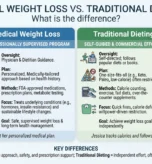
Traditional dieting approaches do not work equally well for everyone. Some individuals need additional medical support, particularly when obesity is associated with conditions such as insulin resistance, PCOS, fatty liver or type 2 diabetes.
A structured medical weight loss India program may combine:
Medical assessment: Understanding your health history, weight-related conditions and individual risk factors.
Personalized nutrition: Creating a realistic eating plan based on your preferences, routine and nutritional requirements.
Lifestyle modification: Improving sleep, physical activity, stress management and everyday habits.
Medical treatment: Considering prescription-based options only when clinically appropriate.
Progress monitoring: Reviewing results and adjusting the plan as your health and weight change.
The objective is not simply to reduce body weight but to support better long-term health.
4. Postpartum Weight Gain: Why Is Losing Weight After Pregnancy Difficult?
Weight gain after pregnancy is common, but returning to your pre-pregnancy weight can take time. Every woman’s recovery journey is different, and there is no fixed timeline for postpartum weight loss.
Several factors may influence weight after childbirth:
- Hormonal changes during and after pregnancy.
- Sleep deprivation and increased daily responsiblities.
- Changes in eating patterns and physical activity.
- Breastfeeding-related nutritional requirements.
- Recovery from childbirth and changes in body composition.
A personalized postpartum weight management plan should consider the mother’s recovery, nutritional needs, breastfeeding status and overall health.
Depending on individual requirements, support may include:
- Balanced nutrition with adequate protein and essential nutrients.
- Gradual return to physical activity after medical clearance.
- Healthy sleep and lifestyle routines wherever possible.
- Assessment of thyroid function or other health concerns when indicated.
- Regular follow-up with a qualified healthcare professional.
Important: Postpartum weight loss should not involve crash diets or extreme calorie restriction, particularly during breastfeeding or recovery.
5. Weight Loss Injections in India: Are They Suitable for Everyone?
Medical weight loss treatments have gained attention in India, particularly GLP-1-based medicines used for specific weight management indications.
These medicines work through hormonal pathways involved in appetite regulation, blood glucose control and digestion. Depending on the medicine, they may help eligible individuals manage their weight as part of a comprehensive treatment plan.
However, weight loss injections are not suitable for everyone.
Before considering treatment, a qualified doctor may review:
- Current weight and BMI
- Medical history and existing health conditions
- Diabetes and metabolic health status
- Current medications
- Potential contraindications and side effects
- Previous weight management attempts
Treatment should only be prescribed when clinically appropriate and monitored by a qualified healthcare professional.
It is also important to understand that injections are not a replacement for balanced nutrition, physical activity and long-term lifestyle changes.
Explore more about GLP-1 Weight Loss Treatment in India.
What Is the Role of Insulin Resistance in Weight Gain?
Insulin is a hormone that helps regulate blood glucose levels. Insulin resistance occurs when the body’s cells do not respond effectively to insulin.
It is commonly associated with metabolic conditions such as prediabetes, type 2 diabetes and PCOS.
Some individuals with insulin resistance may also experience difficulties with weight management.
A doctor-led approach may consider:
- Reviewing medical history and metabolic risk factors.
- Assessing blood glucose and other relevant investigations
- Improving dietary quality and portion management
- Including regular physical activity and strength training
- Improving sleep and managing stress
- Considering medical treatment when indicated
Insulin resistance cannot be diagnosed based on weight gain alone. A healthcare professional can determine whether further assessment is needed.
Why Is Personalized Nutrition Important for Sustainable Weight Loss?
There is no single diet that works for every individual.
Your nutritional requirements depend on several factors, including age, activity level, medical history, food preferences and weight management goals.
A personalized nutrition plan may focus on:
Adequate Protein: Including appropriate protein sources can support muscle maintenance and help with satiety.
Balanced Meals: Combining protein, fibre-rich foods, vegetables and suitable carbohydrate sources can support balanced nutrition.
Portion Management: Understanding portions can help create a sustainable eating routine without unnecessary food restrictions.
Healthy Fats: Including appropriate sources of healthy fats supports overall nutritional needs.
Consistency: Following realistic eating habits over time is generally more sustainable than repeatedly switching between restrictive diets.
At Inteledoc, nutrition guidance forms part of a broader approach to personalized weight management.
Why Is Muscle Preservation Important During Weight Loss?
Weight loss should not focus only on reducing the number on the weighing scale. Maintaining muscle mass is also important for strength, mobility and overall metabolic health.
During weight loss, some lean body mass may also be lost, particularly when weight reduction is rapid or nutritional intake is inadequate.
A suitable weight management plan may include:
- Adequate protein intake based on individual requirements
- Regular resistance and strength-training exercises
- Appropriate calorie intake rather than extreme restriction
- Monitoring changes in body composition when relevant
- Medical and nutritional guidance when using prescription weight loss treatments
Preserving muscle mass can help support physical function and long-term health.
Read more: Fat Loss Without Muscle Loss: A Smarter Approach to Weight Management.
How Does an Online Weight Loss Consultation Work at Inteledoc?
An online consultation provides an opportunity to discuss your weight concerns and explore an appropriate management approach with the healthcare team.
The process generally involves the following steps:
Step 1: Book Your Consultation
Schedule an online appointment and share your primary weight management concerns.
Step 2: Discuss Your Health History
Your doctor reviews relevant medical history, previous weight loss attempts, lifestyle and existing health conditions.
Step 3: Understand Your Requirements
Based on your consultation, the healthcare professional may recommend relevant assessments or investigations.
Step 4: Discuss a Personalized Plan
An appropriate plan may include nutrition, lifestyle modification and medical treatment options where clinically suitable.
Step 5: Monitor Your Progress
Follow-up consultations help review progress and discuss any changes required in your management plan.
You can book an appointment with Inteledoc here:
Why Choose Inteledoc for Doctor-Led Weight Management?
Weight management is a personal journey. The factors influencing your weight, health requirements and treatment needs may be different from those of another individual.
Inteledoc focuses on a personalized, medically guided approach that considers more than just weight reduction.
Our approach focuses on:
- Doctor-Led Guidance: Medical guidance based on your health profile and requirements.
- Personalized Weight Management: Recommendations that consider your lifestyle, medical history and goals.
- Metabolic Health: Attention to relevant metabolic factors that may influence weight.
- Nutrition Support: Practical dietary guidance for sustainable habits.
- Medical Options: Discussion of appropriate treatment options when clinically indicated.
- Progress Monitoring: Follow-up support to review your journey.
Our goal is to encourage a safe, scientific and personalized approach to weight management with medical oversight.
When Should You Consult a Weight Loss Doctor?
You may consider consulting a qualified weight loss doctor if:
- You have repeatedly tried dieting but struggle to maintain results.
- You experience weight gain alongside symptoms of PCOS or thyroid conditions.
- You have been diagnosed with insulin resistance or obesity.
- You are experiencing persistent weight gain after pregnancy.
- You have regained weight after a previous weight loss program.
- You want to understand whether medical weight management options are suitable for you.
- You need professional guidance to develop a sustainable weight management plan.
A doctor can help assess your concerns and determine the next appropriate steps.
Frequently Asked Questions
Yes. Online consultations allow you to discuss your weight concerns, medical history and treatment options with a qualified healthcare professional. Some conditions may still require an in-person examination or investigations.
A doctor can assess your medical history, lifestyle, metabolic health and weight-related conditions. Based on the assessment, they can recommend appropriate nutrition, lifestyle changes and medical treatments when necessary.
PCOS may be associated with insulin resistance and metabolic changes that can make weight management more challenging for some women. Individualized medical and lifestyle management can help address these concerns.
PCOS is a complex hormonal condition, and there is currently no guaranteed permanent cure. Weight management and appropriate medical care may help improve certain symptoms and metabolic health outcomes.
Postpartum weight management should consider recovery, breastfeeding, nutritional requirements and physical readiness. Balanced nutrition, gradual physical activity after medical clearance and appropriate healthcare guidance can support the process.
Certain prescription-based weight management medicines are available in India. Their suitability depends on the individual’s medical condition, eligibility, medicine-specific indications and assessment by a qualified doctor.
Insulin resistance can be associated with metabolic health challenges and may occur alongside obesity or PCOS. However, weight management is influenced by several factors, and individual assessment is important.
There is no fixed duration. It depends on your starting health profile, treatment approach, goals and progress. Long-term weight management generally requires consistent lifestyle habits and appropriate follow-up.
Yes. Sustainable weight management generally focuses on balanced nutrition, appropriate calorie intake, physical activity, sleep and long-term consistency rather than extreme dietary restrictions.
You can book an online consultation through the Inteledoc appointment page:
Start Your Personalized Weight Management Journey
Speak with a qualified doctor and explore a medical weight loss plan designed around your health and goals.